At Levertons, every member of our team plays a vital role in supporting families through one of life’s most difficult moments. From the first call to the final farewell, our funeral assistants provide assurance and care of the deceased throughout.
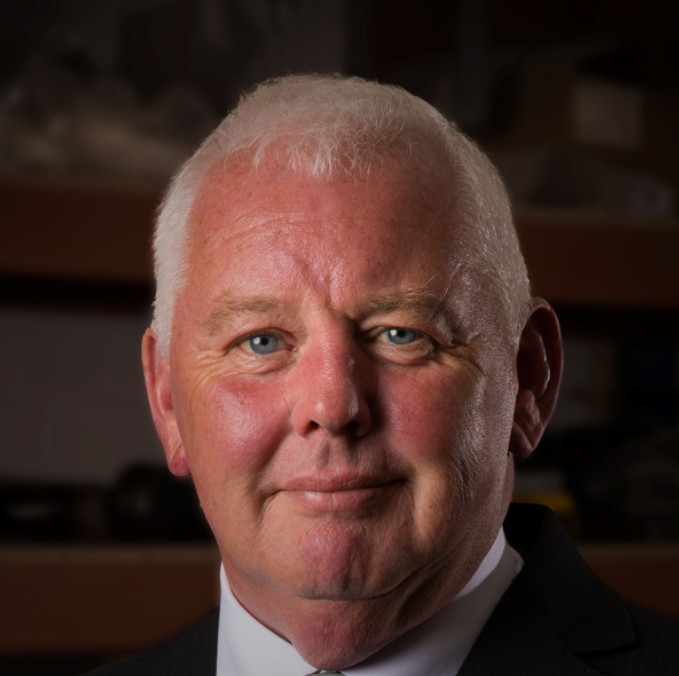
In this interview, we speak with one of our dedicated Funeral Assistants, Nigel Daniel, who shares insight into his role, what motivates him, and the importance of compassion, teamwork, and trust in delivering the highest standard of care.
Can you tell us a bit about yourself and your role at Levertons?
I’m a Funeral Assistant, which means I’m very much involved in the practical side of what we do. In some ways, we’re at the “sharp end” of the service.
I’m part of a team of ten, and together we are responsible for collecting the deceased and bringing them into our care at our Chalk Farm premises, where they are looked after until the funeral. My role also continues into the delivery of a funeral, including the role of driving limousines & hearses, carrying coffins, and supporting the wider team during burials and cremations.
It’s a hands-on role, but one that is incredibly important in ensuring everything runs smoothly for the families we serve.
What’s the most rewarding part of the job?
One of the most rewarding aspects is the continuity of care we provide. Very often, we are the same people who meet families when we first collect their loved one - whether from a home, hospital, or hospice - and we remain present right through to the day of the funeral.
Families recognise us, and that familiarity can be incredibly comforting. They’ve seen us during some of their most vulnerable moments, and that helps build trust very quickly. When they thank us for being there the whole way through, it really means a lot.
I can honestly say I haven’t experienced that same level of fulfilment in any other job I’ve done. Being alongside families every step of the way is what makes this role so meaningful.
Was there a defining moment that made you realise this is what you wanted to do?
There wasn’t really a single defining moment. Before this, I worked for a German beer company, but when the pandemic hit, that entire sector shut down.
During that time, I started writing a book I’d been meaning to work on for years. Through my wife, who is a church singer, I was asked if I could help carry coffins for Levertons on a part-time basis. I thought, why not? It gave me the flexibility to write while helping out when needed.
About three years ago, I was offered a full-time role - and the book is still unwritten! But I wouldn’t change it. I found something far more meaningful.
Why do you love working in this field?
There’s a real sense of fulfilment in this work. It allows you to feel things deeply, and while it can be emotional at times, there’s also a strong sense of shared humanity among the team.
The environment we work in is unique. There’s a level of respect, understanding, and togetherness that you don’t often find elsewhere. You rely on each other completely- you have to trust the people you work with - and that creates a strong bond,
It also gives you a different perspective on life, which I think is incredibly valuable.
What inspires you to help families during such an emotional time?
It’s hard not to feel a sense of empathy when you see what people are going through. You naturally want to help.
There’s often a conversation about traditions - like people stopping to pay their respects when a hearse passes- and whether those things are changing. But I think it’s more about how you carry yourself through life. When you understand what loss means, you instinctively know how to support others going through it.
What motivates you to go above and beyond for clients?
For me, it’s simple - you treat every family as if they were your own. If you approach it that way, you can’t really go wrong.
Unless you’re completely disconnected from how people feel, it’s only natural to want to go that extra mile for someone who is grieving.
What does a typical day look like for you?
My day usually starts around 7.30am. Most mornings begin with an unattended direct cremation at around 8am at a North London crematorium.
After that, it’s a mix of responsibilities. We clean and prepare the vehicles, attend funerals, which can range from five to ten in a day, and carry out collections from homes, hospitals, and hospices.
By mid-afternoon, around 3.30pm we’re usually preparing the vehicles again for the next day, as well as getting ready for any services in between.
Every day is different, but it’s always busy and structured.
Are there any parts of your job that people might be surprised to learn?
People are often surprised by how calm and composed we are as a team. It’s something they notice straight away.
We’re also often asked how we’re able to do this job. The truth is it does take some getting used to - most people haven’t encountered death in such a direct way. But the key is to treat every person as though they were your own loved one. That mindset guides everything we do.
What’s the most challenging part of your role, and how do you overcome it?
There is a depth to this work that can be emotionally intense. One of the ways we manage that is through humour within the team. It acts as a kind of pressure valve - it helps release some of the emotional weight in a healthy way.
It’s about supporting each other so we can continue to do our jobs well.
How do you handle the emotional aspects of this work?
You learn to keep moving forward – to “crack on”, as we say.
Personally, I also draw on my faith. I don’t see death itself as something to fear. Often, the suffering is in the process of dying rather than death itself.
There’s a perspective I hold - either there is something beyond death, which is a comforting thought, or there isn’t, in which case there is peace. The real difficulty lies with those left behind, and that’s where our focus should be - supporting them through the grief.
What makes Levertons different from others in the way you care for families?
I remember sitting at Golders Green Crematorium between services when a funeral director from another company approached me for help carrying a coffin. They had run into multiple issues - they couldn’t locate the deceased initially, service sheets were missing, and everything felt chaotic.
That’s something you very rarely see at Levertons. Our professionalism is second to none, and it’s something we take great pride in. From the way we present ourselves to the way we care for the deceased, there’s a consistent standard.
When we tell families we will take care of their loved one, they often respond by saying, “We know you will”. That trust has been built over many years, and it’s something we work hard to uphold.
Do you have any advice for someone planning ahead or considering funeral services?
I recently spoke with my own parents, who are in their 90s, and realised they hadn’t shared any specific wishes about their funerals.
They had everything else organised – finances, wills, lasting powers of attorney - but nothing about what they actually wanted to happen. It made me realise how important those conversations are.
Having clear instructions in place makes a huge difference for the people left behind. It removes uncertainty and helps ensure that the funeral truly reflects their wishes. It’s also important that more than one person knows those details.
This insight into the role of a funeral assistant highlights the care, dedication, and humanity that underpin everything we do at Levertons. From providing continuity and comfort to maintaining the highest standards of professionalism, our team is committed to supporting families with compassion and respect at every stage.
It’s not just about carrying out a service - it's about being present, being dependable, and making a difficult time just a little easier for those who need it most.